3 Reasons Why You Can’t Screw This Up - A Graduates Guide to Making Early Career Decisions
For starters…
The transition between college and the real world can feel like the biggest decision of your life…it’s not…it’s just the first of many decisions you are going to make for the rest of your life.
Still wanna throw up a little bit? Don’t – keep your upchuck reflex in check.
Take a breath, and understand that “first of many” means that on a percentage basis, compared to the rest of your life:
getting this first step “wrong” (which isn’t possible by the way) is such a small part of what will be a very long life,
full of all kinds of decisions – so don’t turn yourself inside out trying to “get it right”…whatever that means.
The biggest advantage in decision making is the ability to actually make a decision. Understanding how YOU best break down decisions and solve problems is a critical skill. The earlier you develop and put into regular practice a logic sequence that helps you find an answer, the more nimble and effective you’ll be in navigating both your personal and professional future.
You want to stand out from your peers early on – be the calm, diligent one who exhibits a problem-solving methodology that brings options outside of obstacles. Solidify your reputation for the right reasons, have the confidence to make informed decisions (with receipts), considerate of risk mitigation and implications, paired with strategy focused on capitalization and a paths forward.
Alright, back to why you can’t screw this up…

1. You are just getting started.
Relax, there is enough “work” in this world for everyone, I promise. Do you know how many people would love to be back at the beginning getting a fresh bite at the apple? At this moment, you literally only have one decision to make between these two things:
sit in a holding pattern delaying your own future, or
take steps, on purpose, with direction, one at a time, and move forward!
That’s it! It is not more complicated than that…you’re welcome.

2. Every experience is a learning experience.
If you do one thing in the entirety of your career, it’s keeping this principle in mind. No matter what happens, good or bad, there is a way to learn from it, carry forward, and package what you’ve learned to advance towards what you want.
You can’t control everything, but you can control how you respond to things.
We find ourselves again with one decision between two things:
be distracted by your experience (especially if it’s a negative one), maybe sit in some victimhood, struggle with resentment or regret, or
choose to qualify the impact based on the experience strategically aligns with what you want for your future –
for a good experience, take a moment to be grateful, write it down and reflect on how to package it as increased readiness for personal or professional advancement
for a negative experience, take a breath and a step back – whew, now you know what “that bad thing” and/or “foot-in-mount” looks like, let’s be on the lookout and try to avoid that in the future
in any situation, solidify your understanding of how it’s changed you, how it honed your skills or filled in gaps, be able to articulate what it revealed about your talents
With the right perspective and qualifying framework, all things can be turned to work for YOUR long-term good.
Be prepared in these early years, you may find yourself reconsidering your path or a choice you’ve made, it’s normal! Give yourself time and space to do some trial and error.
BUT, understand giving yourself time and space is just one part. There is real work involved in the learning part. It takes a conscious effort to regularly track what feels like a win vs. a setback, and it takes self-awareness and honest reflection to give context to wins and setbacks by identifying associated trend lines behind what became a win and what led to the setback.
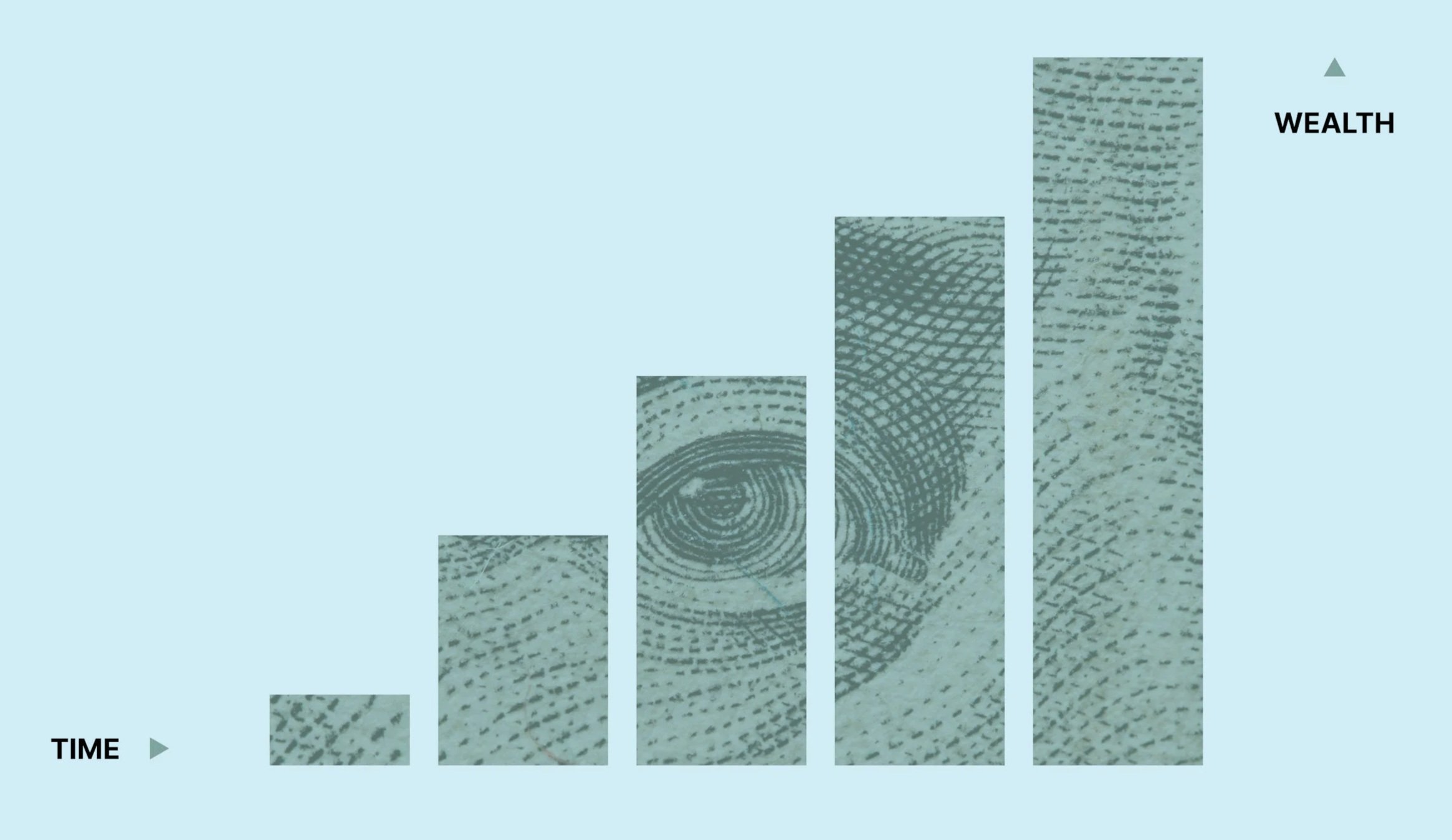
3. Earning potential almost always goes up and to the right.
Don’t get it twisted, the importance of bringing in enough money to pay your bills should not be confused with “chasing a paycheck” (i.e. overly focused on pay). One is being a responsible adult, the other has the potential to skew your perspective and distract your journey. You have plenty of time to increase your take home pay.
Hear me clearly, you should want to be fairly paid for the value you add to any business or organization – but sometimes, what they can offer you in return isn’t higher pay, it an experience rich environment with skills training, situational learning opportunities, mentoring etc. These are intangibles that can actually expedite your move up the ladder in career and earning potential.
In any event, whether you get the money, the job offering experience, or both – continuing to cycle through Reasons 1 & 2 of why you can’t screw this up will position you to advance well.
So take a deep breath, and repeat after me…I can’t screw this up, I just have move forward, seek learn new things everywhere all the time, and the true value of my job is a mix of covering my basic needs and advancing my skills and abilities for long-term growth and earning potential.
