How to Fuel Your Body with Whole Foods
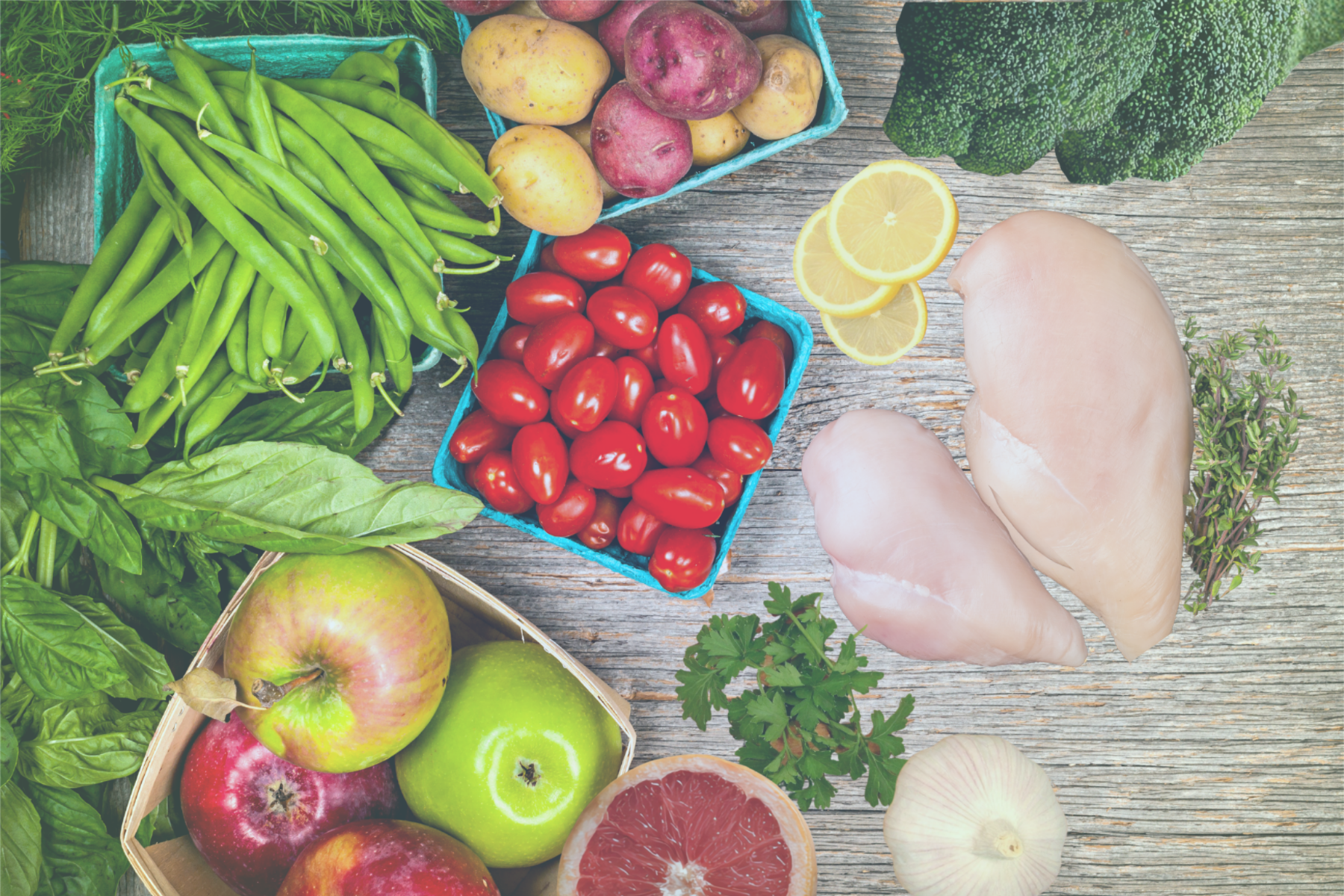
You've heard it everywhere:
"Eat whole foods. Avoid processed foods. Choose natural options."
Sounds simple enough, right?
But here's what nobody tells you: Not all whole foods serve your body equally or in the same way.
-
The information shared on this blog is intended for educational and informational purposes ONLY and is based on my personal experience, research, and application to my own life.
Anything here is not medical advice, nor is it intended to diagnose, treat, cure, or prevent any disease or medical condition.
Everyone’s body is different, and individual results may vary. What has worked for me or for others may not be appropriate for you.
Before making any significant changes to your diet, nutrition, supplementation, exercise routine, or lifestyle — especially if you have a medical condition, are pregnant or nursing, or are taking medication — you should consult your own physician or a qualified healthcare professional with access to you and your medical history.
By choosing to engage with this content, you acknowledge that you are responsible for your own health decisions and outcomes.
If you're not strategic about which whole foods you're choosing and which foods your combining in both meals and snacks, you could be sabotaging your energy, metabolism, and body composition goals—even though you're technically "eating clean and healthy."
Let me paint a picture: You're loading up on avocados, nuts, and nut butters because they're "healthy fats."
You're eating fruit with every meal because it's “fruits and vegetables”, or, it’s "natural sugar."
You're piling sweet potatoes on your plate because they're a "clean complex carb." You're doing everything the wellness influencers tell you to do.
And yet you're exhausted by 2pm, not seeing the results you want despite working out consistently, and making “healthy food choices”.
Even healthy whole foods need to be consumed in proper amounts, combined with other nutrients and foods that compliment their absorption by your body, and some even only at certain times of the day.
Let’s talk about how to navigate whole foods strategically to fuel the body for optimal energy, composition, and longevity, not just "eating healthy" and hoping for the best.
What Makes a Food "Whole" (And Why It Matters)
A whole food is a food as close to its natural state as possible. It doesn't have ingredient lists full of things you can't pronounce. It's real food: vegetables, fruits, quality proteins, whole grains, nuts, seeds.
WHY WHOLE FOODS MATTER:
1. Nutrient Density Whole foods pack more vitamins, minerals, fiber, and phytonutrients per calorie than processed alternatives. You're getting more nutrition bang for your buck.
2. Better Satiety Whole foods—especially those high in protein, fiber, and healthy fats—keep you full longer. The body is not hungry an hour after eating because the body got actual nourishment, not just empty calories.
3. Blood Sugar Stability Whole foods (particularly those with fiber and protein) don't spike your blood sugar the way processed foods do. This means stable energy instead of crashes, better focus, and reduced cravings.
4. Metabolic Efficiency The body has to work harder to digest whole foods (especially protein and fiber), which means burning more calories in the digestion process. Processed foods are pre-broken down, requiring minimal digestive effort and maximum empty calories.
All of this sounds great. So why isn't "just eat whole foods" enough?
Because you still need to be strategic about WHICH whole foods and HOW MUCH.
Before we get any deeper, if you walk away with one thing, it’s this – every time you eat, make sure it is some mix of a protein, a healthy fat, and a carb. If nothing else, this will add balance to everything you are putting in your mouth.
The Three Macronutrient Categories That Determine Your Results
When it comes to optimizing your nutrition with whole foods, you need to understand the three macronutrients and how to choose quality sources of each: protein, healthy fats, and complex carbohydrates.
We’ll start first with healthy fats and complex carbs because they're the macros most people either over-eat, under-eat, or eat at the wrong times - sabotaging their results despite technically eating "clean."
The Breakdown
Healthy Fats: Essential But Easy to Overdo…and…MY FAVORITE!!!
Fats are critical for hormone production, nutrient absorption, brain function, and satiety.
You need them - but here's the catch:
fats are calorie-dense (9 calories per gram vs. 4 calories per gram for protein and carbs), making it very easy to overconsume quickly.
The right approach: Choose high-quality fats, eat them in measured portions, and time them based on your activity level
THE BEST WHOLE FOOD FAT SOURCES:
Expand for key information on each fat source.
-
Rich in monounsaturated fats, fiber, and potassium
Anti-inflammatory properties
Great for satiety
Portion conversion: ¼ to ½ avocado per meal (3-6g fat)
Strategic use: Excellent on lower-carb days or with meals lacking other fat sources
-
Salmon, mackerel, sardines, anchovies
High in omega-3 fatty acids (anti-inflammatory, supports brain and heart health)
Also provides quality protein
Portion conversion: 4-6oz serving = ~10-20g fat depending on fish type
Strategic use: Excellent protein + fat combo, especially beneficial on higher-carb days to balance macros
-
Always know where you oils are coming from - research the purity and generally reach for organic to help ensure the oil isn’t cute with inferior oils.
High in monounsaturated fats
Anti-inflammatory properties
Versatile for cooking and dressings
Portion conversion: 1 tablespoon = 14g fat (easy to pour 3-4 tablespoons without realizing)
Strategic use: Measure carefully; use for cooking proteins and vegetables or in homemade dressings
Pro tip: Use spray versions for cooking to control portions better
-
Rich in choline (brain health), vitamin D, and healthy fats
Also provide protein
Portion conversion:: 1 whole egg = ~5g fat (vs. egg whites which have minimal fat)
Strategic use: Whole eggs for breakfast or post-workout; egg whites when you need protein without additional fat
-
Provides protein + healthy fats + probiotics
Much more satisfying than low-fat versions
Portion conversion:: ½ to 1 cup = 5-10g fat depending on brand
Strategic use: Great for breakfast or snacks, pair with berries for balanced macro meal
-
Contains MCT (medium-chain triglycerides) which are processed differently than other fats
Can support energy and satiety
Portion conversion: 1 tablespoon oil = 14g fat; ¼ cup coconut milk = 6-8g fat
Strategic use: Good for cooking or adding to smoothies, but still calorie-dense—measure carefully
-
Almonds, walnuts, cashews, pecans, pumpkin seeds, chia seeds
Provide healthy fats plus protein and fiber
Rich in magnesium, vitamin E, and omega-3s (especially walnuts and chia)
Portion conversion: 1 ounce (small handful) = ~14-18g fat
Strategic use: Great for snacks or adding crunch to meals, but easy to overeat—measure portions
Pro tip: Avoid honey-roasted or heavily salted versions; choose raw or dry-roasted
-
Trans fats (partially hydrogenated oils)
Excessive omega-6 oils (corn, soybean, vegetable oil—inflammatory when consumed in excess)
Heavily processed "fat-free" products (usually loaded with sugar and chemicals to compensate for taste)
Strategic Fat Timing:
Here's where most people get this wrong: Your fat intake should adjust based on your carb intake and activity level.
On higher-carb days (training days): Keep fats moderate to low. Your body is using carbs for energy, so you don't need as much fat.
On lower-carb days (rest or low-activity days): Increase fats slightly. This keeps you satiated while in a lower-carb state optimized for fat burning.
This cycling approach optimizes your body's ability to burn fat while still supporting performance and hormones.
Complex Carbohydrates: Your Body's Preferred Fuel Source
Carbs have gotten a bad rap. Low-carb and keto diets have convinced people that carbs are the enemy. They're not…although I am a BIG fan of keeping a keto diet in the rotation.
Carbs are your body's preferred and most efficient fuel source - especially for your brain, high-intensity workouts, and hormone regulation. The problem isn't carbs themselves; it's the TYPE of carbs and TIMING of consumption.
The right approach: Choose nutrient-dense complex carbs, time them around your activity level, and adjust portions based on your goals.
THE BEST WHOLE FOOD COMPLEX CARBOHYDRATES SOURCES:
Expand for key information on each fat source.
-
Broccoli, cauliflower, zucchini, spinach, kale, peppers, asparagus, green beans
Extremely low in carbs but high in fiber, vitamins, and minerals
Portion conversion: Eat liberally—these are nutrient-dense with minimal caloric impact
Strategic use: Fill half your plate with these at every meal; great for volume and satiety on any day
-
Technically a seed, nutritionally treated as a grain
Complete protein (contains all amino acids) PLUS complex carbs
High in fiber, iron, magnesium
Portion conversion: 1 cup cooked = ~39g carbs + 8g protein
Strategic use: Excellent carb + protein combo for meals, especially on higher-carb days
-
High in fiber, vitamins A and C, potassium
Versatile and filling
White potatoes are actually great post-workout (fast-digesting carbs for glycogen replenishment)
Portion conversion: 1 medium potato (150g) = ~30-35g carbs
Strategic use: Excellent on training days, especially post-workout
-
Quick-digesting carbs
High in potassium (great for muscle function and recovery)
Portion conversion: 1 medium banana = ~27g carbs
Strategic use: Excellent pre or post-workout fuel
-
Easily digestible carb source
White rice: Lower fiber, faster digesting—great post-workout
Brown rice: Higher fiber, more micronutrients, slower digesting—good for sustained energy
Portion conversion: 1 cup cooked = ~45g carbs
Strategic use: White rice post-workout; brown rice with meals when you need sustained energy
Pro tip: Jasmine or basmati white rice are less likely to cause bloating than some other varieties
-
High in both protein and complex carbs
Excellent fiber content
Budget-friendly and versatile
Portion conversion: 1 cup cooked = ~35-40g carbs + 15-18g protein
Strategic use: Great carb + protein source for meals, especially beneficial for plant-based eaters
-
High in fiber (especially beta-glucan which supports heart health)
Slow-digesting, provides sustained energy
Versatile (overnight oats, oatmeal, added to smoothies)
Portion conversion: ½ cup dry oats = ~27g carbs
Strategic use: Great for breakfast on training days; provides steady energy through morning
-
Lower sugar than most fruits
High in antioxidants and fiber
Nutrient-dense
Keto friendly in small portions
Portion conversion: 1 cup = ~12-20g carbs depending on berry type
Strategic use: Great for breakfast, snacks, or post-workout; can be used on both higher and lower-carb days in moderation
-
Packed with vitamins, minerals, and fiber
Naturally sweet but nutrient-dense
Keto friendly
Portion conversion: 1 cup cooked = ~15-30g carbs depending on vegetable
Strategic use: Good for adding variety to meals on higher-carb days
-
Refined grains (white bread, pastries, crackers made with white flour)
Sugary cereals and granolas (even "healthy" ones often pack 20-30g sugar per serving)
Fruit juices (strips away fiber, leaves concentrated sugar)
Candy, cookies, and other obvious processed sweets
Low-quality protein bars marketed as "healthy" but loaded with sugar alcohols and processed ingredients
Strategic Carb Timing:
This is critical: Not all days require the same carb intake.
Higher-carb days (strength training or high-intensity workout days):
Your muscles need glycogen for performance and recovery
Aim for 150-200g+ carbs depending on your body size and activity intensity
Time your largest carb portions around workouts (pre and post-workout especially)
Lower-carb days (rest days or low-activity days):
Your energy demands are lower
Reduce carbs to 50-100g, focusing on fibrous vegetables and minimal starchy carbs
This keeps you in a fat-burning state while still supporting basic function
This strategic cycling prevents metabolic adaptation (your body getting "used to" one intake level), supports workout performance when you need it, and optimizes fat burning when activity is lower.
Let’s bring it home and incorporate protein - the third macro, and the one that people almost always under-eat.
Protein: The Foundation of Body Composition and Metabolic Health
Why protein is non-negotiable:
1. Builds and Maintains Muscle Muscle tissue is metabolically active—it burns calories even at rest. The more muscle, the higher resting metabolic rate. When you don't eat enough protein, you lose muscle along with fat (if you're in a calorie deficit), which slows your metabolism and makes fat loss harder over time.
2. Maximum Thermic Effect Of all three macros, protein requires the most energy to digest and process—about 25-30% of protein calories are burned just breaking it down. This is called the thermic effect of food (TEF). Carbs and fats have much lower TEF (~5-10%), meaning protein gives you a metabolic advantage.
3. Superior Satiety Protein keeps you full longer than carbs OR fats. It regulates hunger hormones (ghrelin and leptin) more effectively, reducing cravings and making it easier to stick to a nutrition plan without feeling deprived.
4. Supports Recovery and Performance Every workout creates micro-tears in muscle tissue. Protein provides the amino acids needed to repair and rebuild stronger. Without adequate protein, the body won’t recover as efficiently, which limits progress and increases injury risk.
5. Preserves Metabolism During Fat Loss When in a calorie deficit (eating less than the body burns), the body needs a signal to preserve muscle tissue instead of breaking it down for energy. Adequate protein intake sends that signal. This is how to lose fat while maintaining (or even building) muscle, creating the "toned" look most people want.
The right approach: Prioritize protein at every meal, choose high-quality sources, and hit your daily target consistently.
THE BEST WHOLE FOOD PROTEIN SOURCES:
Expand for key information on each fat source.
-
Lean protein with minimal fat
Extremely versatile
Portion conversion: 4-6oz = ~35-50g protein, 3-6g fat
Strategic use: Excellent for meals where you need protein without adding much fat; easy to meal prep
Pro tip: Season generously and don't overcook - dry chicken is why people hate chicken
-
Lean protein similar to chicken
Ground turkey offers versatility for various dishes
Portion conversion: 4-6oz = ~30-45g protein, 2-10g fat (depending on lean percentage)
Strategic use: 93/7 or 99/1 lean ground turkey for minimal fat; great for meal prep, tacos, stir-fries
Pro tip: Choose 93% lean or higher to keep fat content low
-
High-quality protein PLUS omega-3 fatty acids
Anti-inflammatory benefits
Portion conversion: 4-6oz = ~30-40g protein, 10-20g fat
Strategic use: Perfect protein + fat combo in one food; excellent for higher-fat days or when you need protein without adding separate fat sources
Pro tip: Wild-caught when possible; canned salmon/sardines are budget-friendly and nutrient-dense
-
Very lean protein (even leaner than chicken)
Mild flavor, highly versatile
Portion conversion: 4-6oz = ~30-45g protein, 1-3g fat
Strategic use: When you need maximum protein with minimal fat/calories; great for lower-calorie days
Pro tip: Season well and avoid overcooking; pairs well with citrus and herbs
-
Complete protein with iron, zinc, B vitamins
More satisfying for some people than poultry
Portion conversion: 4-6oz = ~30-45g protein, 8-15g fat (varies by cut and lean percentage)
Strategic use: Choose lean cuts; great for variety; higher in iron which is important especially for women
Pro tip: 93/7 ground beef keeps fat reasonable; grass-fed when budget allows
-
Complete protein with all essential amino acids
Whole eggs include healthy fats and nutrients (choline, vitamin D) in yolk
Egg whites are pure protein
Portion conversion:
1 whole large egg = ~6g protein, 5g fat
1 egg white = ~3.5g protein, 0g fat
Strategic use: Whole eggs for balanced meals or when you need fat; egg whites when you need protein volume without fat
Pro tip: Combine whole eggs + egg whites (e.g., 2 whole + 4 whites) for protein boost with controlled fat
-
High protein compared to regular yogurt
Provides probiotics for gut health
Portion coversion: 1 cup = ~20-25g protein, 0-10g fat depending on fat content
Strategic use: Full-fat for satiety and fat macros; low-fat/fat-free when you need protein without fat
Pro tip: ALWAYS read labels and purchase accordingly - flavored versions can have 15-25g added sugar which = empty calories and carbs.
-
High protein, versatile
Casein protein digests slowly (great before bed)
Portion conversion: 1 cup = ~25-28g protein, 2-5g fat depending on fat content
Strategic use: Excellent high-volume, high-protein snack; mix with berries or use in savory dishes
-
I happen to like whey, casein free protein powders - monk fruit, please, no stevia, thank you.
Convenient protein source, not a whole food but minimally processed
Useful for hitting protein targets when whole food sources are inconvenient
Portion conversion: 1 scoop = ~20-25g protein, 1-3g fat, 2-5g carbs
Strategic use: Post-workout for quick absorption; added to smoothies; emergency protein when traveling
Pro tip: Whey isolate for fastest absorption; casein before bed for sustained release; choose minimal ingredients
-
Item descriptionHeavily processed deli meats (high sodium, preservatives, nitrates)
Fried proteins (adds unnecessary fat and calories)
Protein sources with added sugars or fillers (many protein bars, flavored yogurts)
Low-quality fast food proteins (often breaded, fried, or loaded with hidden fats)
Strategic Protein Distribution:
Here's the key most people miss: When you eat protein matters as much as how much.
Breakfast: Start with 25-40g protein. This sets your metabolic tone for the day, stabilizes blood sugar, and reduces cravings later.
Post-Workout: Within 1-2 hours after training, prioritize protein (30-40g) to support recovery and muscle protein synthesis.
Every Meal: Aim for 25-40g protein per meal. This keeps you in a muscle-building state throughout the day and maximizes satiety.
Before Bed (Optional): 20-30g slow-digesting protein (cottage cheese, casein protein) supports overnight recovery and prevents muscle breakdown during sleep.
Daily Target: Aim for 0.8-1.2g protein per pound of body weight. For a 140-pound person, that's 110-165g daily—which is 4-6 palm-sized portions of protein throughout the day
Putting It Together - What a Strategic Whole Foods Day Looks Like for a Busy Professional
Let me show you what this actually looks like in real life—not in some fantasy world where you have unlimited time and a personal chef.
You're waking up early, maybe squeezing in a workout before work or planning to hit the gym during lunch or after the kids are in bed. You're packing lunches for yourself (and possibly your kids), commuting, sitting in back-to-back meetings, and trying to eat strategically despite the chaos.
Here's how strategic whole foods nutrition works when you're actually living a real life:
The Weekly Macro Overview (Understanding the Pattern)
HIIT + Low Carb Days (Monday/Tuesday):
Carbs: 30-50g
Fats: 90-110g
Protein: 140-160g
Purpose: Optimize fat burning after HIIT; train body to use fat for fuel
Weight Training Days (Wednesday/Thursday/Saturday):
Carbs: 150-200g
Fats: 50-70g
Protein: 130-150g
Purpose: Fuel performance, support muscle growth and recovery, replenish glycogen
Pilates/Mobility Days (Friday/Sunday):
Carbs: 100-140g
Fats: 50-65g
Protein: 130-145g
Purpose: Moderate fuel for movement and recovery without overloading; balance between low and high carb days
This strategic cycling, known as “Carb Cycling” is what makes the protocol so effective:
Your body never adapts to one intake level (prevents metabolic slowdown)
You're fueled appropriately for each type of training
You're optimizing fat burning on low-carb days while supporting performance on training days
You're maintaining high protein to preserve muscle throughout the week
Real-life modifications:
If you skip evening snack: Redistribute those macros to lunch or dinner (slightly larger portions)
If you're eating out: Bunless burger or salad with grilled protein, add avocado, oil & vinegar dressing
If you forgot to meal prep: Rotisserie chicken from grocery store (shred and portion), bagged salads, microwaveable cauliflower rice, pre-hard-boiled eggs from deli section
